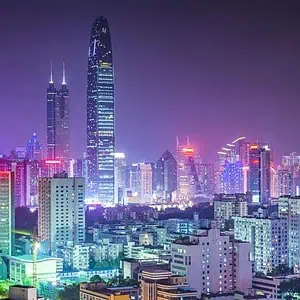



Suzhou International Expo Centre has announced the establishment of the China Convention & Exhibition Brand Project Incubation Base, marking a significant step in the high-quality development of China’s convention and exhibition industry. The base, the first of its kind in southern China, aims to fill regional gaps in brand incubation and set benchmarks for the sector, reinforcing Suzhou’s role in China’s industrial landscape. This initiative follows the centre’s participation in the 18th China Convention & Exhibition Brand Development Conference in Beijing, where it explored new pathways for industry advancement.
Driving urban and economic development in Suzhou
Located on the shores of Jinji Lake, Suzhou International Expo Centre serves as a key platform connecting global industries with local opportunities in Suzhou. Through high-level, professional, and international events, it contributes to economic quality improvement and industrial upgrading in the region. The centre’s activities also emphasize cultural dissemination, providing sustained momentum for Suzhou’s industrial innovation, economic growth, and brand building, positioning it as a hub for regional development and a model of humanistic economic practices.
GT SHOW: A case study in exhibition impact
The GT SHOW, a modified-vehicle exhibition, exemplifies how Suzhou International Expo Centre leverages events to drive industrial and consumer growth. In 2025, the three-day event attracted 187,000 visits, with over 92.5% of attendees from outside Suzhou, generating nearly 850 million yuan in direct consumption and over 1 billion online impressions. This has established GT SHOW as a leading exhibition IP in China, ranking as the country’s top and the world’s fourth-largest professional modified-vehicle show.
Economically, the GT SHOW energized local industries such as hotels, catering, and transportation, while creating a synergistic model of “exhibition viewing + tourism + consumption.” It drew large numbers of out-of-town car enthusiasts to Suzhou, boosting foot traffic in commercial districts and cultural tourism sites. Industrially, the event brought together nearly 1,000 modified vehicles and close to 100 industrial chain enterprises from over 20 countries and regions, covering the full value chain from modification parts to automotive culture peripherals. This provided a platform for technical exchange and resource matching in Suzhou’s automotive aftermarket, promoting alignment between local manufacturing and global cutting-edge concepts, and fostering clustered development of Suzhou’s automotive culture industry. In terms of brand empowerment, the exhibition’s trendy, youth-oriented appeal made it a hotspot for online engagement, enhancing Suzhou’s profile in the automotive sector.