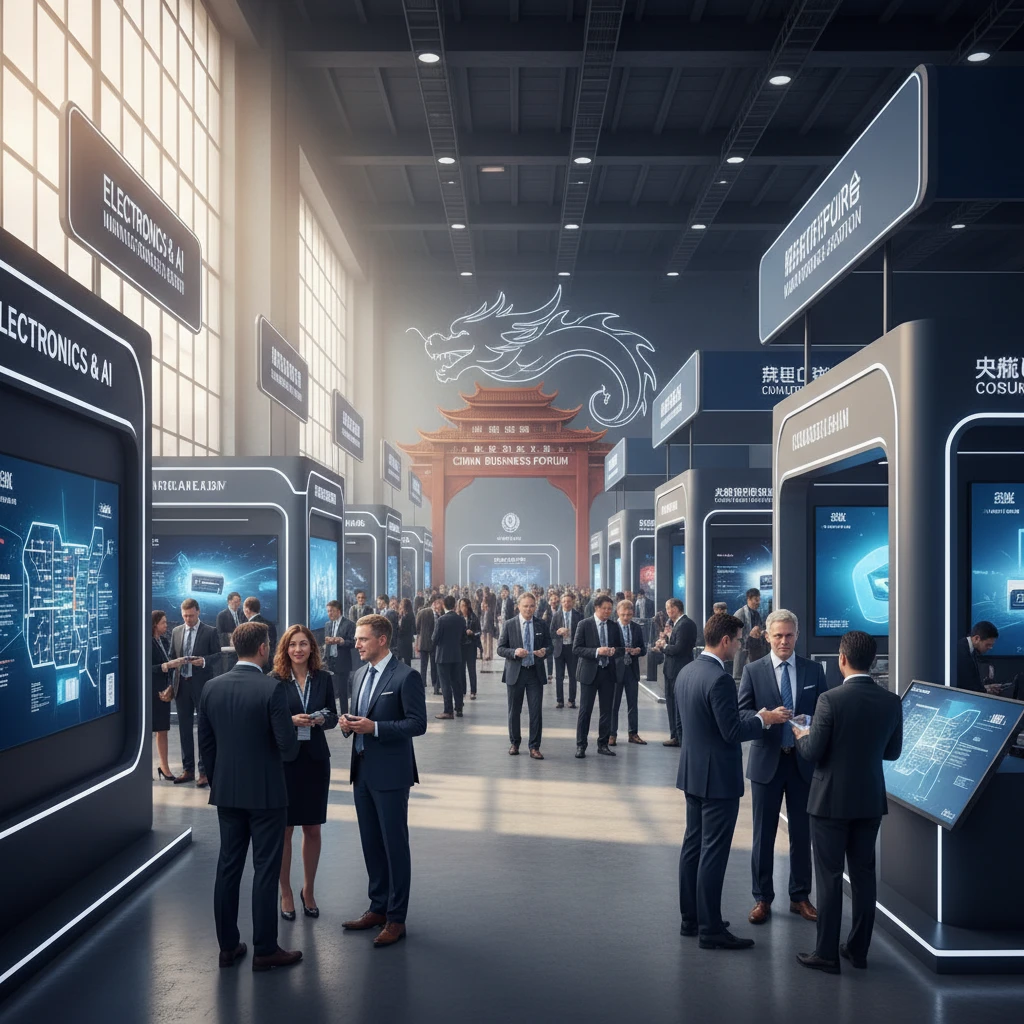
China remains a global manufacturing and innovation powerhouse, making its trade shows vital platforms for international businesses seeking new opportunities, suppliers, and market insights. With thousands of events held annually across diverse industries, finding the right fair can be daunting. This guide provides a practical framework for navigating the China trade show landscape in 2026.
We’ll explore defining your objectives, identifying relevant shows, evaluating credibility, and making informed decisions to maximize your investment. Whether you’re looking to generate leads, conduct market research, or build strategic partnerships, this guide will equip you with the knowledge and tools necessary to succeed.
Navigating the China Trade Show Landscape in 2026
Why China Trade Shows Still Matter for International Businesses
Despite the rise of online platforms, China trade shows offer unique advantages. They provide face-to-face interaction with potential partners, allowing for deeper relationship building and immediate product evaluation. In 2026, the physical presence at these events remains crucial for gauging market sentiment, understanding evolving consumer demands, and staying ahead of industry trends. Trade shows also offer the opportunity to see products firsthand, assess quality, and negotiate directly with suppliers, potentially leading to more favorable terms.
Key Industry Sectors Driving Trade Show Participation
Several key sectors consistently drive significant trade show activity in China. These include electronics (consumer electronics, components, and industrial automation), machinery (manufacturing equipment, construction machinery, agricultural machinery), textiles (fabrics, apparel, home textiles), automotive (parts, accessories, electric vehicles), and consumer goods (household products, gifts, toys). The demand for specialized trade shows focused on emerging technologies like artificial intelligence, robotics, and renewable energy is also growing rapidly. Consider focusing on shows that are highly specialized within your industry niche for maximum relevance.
Defining Your Trade Show Goals: What Are You Trying to Achieve?
Before diving into expo calendars, clearly define your objectives. Are you primarily interested in generating leads, conducting market research, or identifying potential suppliers? A clear understanding of your goals will enable you to select the most relevant trade shows and tailor your participation strategy for maximum impact. Avoid attending shows without a specific plan, as this often leads to wasted time and resources.
Lead Generation and Sales: Targeting Specific Customer Segments
If your primary goal is lead generation and sales, focus on trade shows that attract your target customer segment. Research the attendee profile of past editions to ensure a good fit. Prepare compelling marketing materials, product samples, and engaging presentations to capture attendee interest. Actively engage with visitors, qualify leads, and follow up promptly after the show to convert them into customers. Remember, sales cycles in China can be longer, so persistence is key. For example, if you are selling industrial components for electric vehicles, you would want to target EV-specific trade shows and ensure your marketing materials highlight the benefits of your components for EV applications.
Market Research and Competitive Intelligence: Gathering Data and Insights
Trade shows are excellent venues for gathering market research and competitive intelligence. Observe competitor products and pricing strategies, assess customer preferences, and identify emerging trends. Talk to industry experts and analysts to gain valuable insights into the Chinese market. Document your findings and use them to refine your product development, marketing, and sales strategies. Consider assigning specific team members to focus on competitive analysis and market research during the show.
Supplier Identification and Relationship Building: Finding the Right Partners
For companies seeking new suppliers, trade shows offer the opportunity to meet and evaluate potential partners in person. Assess supplier capabilities, quality control processes, and pricing structures. Build relationships with key personnel and conduct on-site factory visits (if possible) to verify their credentials. Remember to perform thorough due diligence before committing to any agreements. See Supplier Verification China: Reduce Sourcing Risk for best practices. Always get multiple quotes and compare terms from several potential suppliers before making a final decision.
Finding Relevant China Trade Shows: Online Resources and Strategies
Identifying the right trade shows requires a strategic approach. Begin by leveraging online resources such as expo directories, industry association websites, and search engines. Use targeted keywords and search operators to refine your search and narrow down the options. Pay close attention to the official trade show websites for detailed information about exhibitors, attendees, and the show program.
Leveraging Online Expo Directories and Industry Associations
Several online directories specialize in listing China trade shows. These directories typically allow you to search by industry, location, and date. Examples include TradeIndia, 10times, and BizTradeShows. Industry associations, such as the China Council for the Promotion of International Trade (CCPIT) and various industry-specific organizations, often maintain calendars of relevant trade shows and events. Using these resources can significantly streamline your search process. Be sure to cross-reference information from multiple sources to ensure accuracy.
Using Search Operators to Refine Your Search (Example: “Trade Show [Industry] China 2026”)
To refine your search engine queries, use specific keywords and search operators. For example, searching for “Trade Show Automotive Components China 2026” will yield more relevant results than a general search for “China Trade Show.” Use quotation marks to search for exact phrases. Add “+supplier” or “+manufacturer” to find shows that are popular with these groups. Use “-” to exclude irrelevant terms (e.g., “Trade Show Automotive China -cars” to exclude shows focusing on completed automobiles). Experiment with different combinations of keywords and operators to optimize your search results.
The Importance of Official Trade Show Websites (and Red Flags to Watch Out For)
The official trade show website is your primary source of information. It should provide details about the show’s focus, exhibitors, attendees, venue, and program. Look for a clear and professional website design, detailed exhibitor profiles, and testimonials from past attendees. Be wary of websites with outdated information, poor grammar, or vague details. Red flags include missing contact information, overly aggressive marketing claims, and pressure to register or pay fees before obtaining sufficient information. Always verify the website’s authenticity before providing any personal or financial information.
Evaluating Trade Show Credibility and Reputation: Due Diligence Checklist
Not all trade shows are created equal. Before committing to a particular event, conduct thorough due diligence to assess its credibility and reputation. Verify the organizer’s credentials, check attendee and exhibitor lists from past editions, and search for reviews and feedback from previous participants. This will help you avoid scams and ensure that you invest in a worthwhile event.
Verifying Organizer Credentials and Industry Affiliations
Research the organizer’s background and experience in the trade show industry. Look for affiliations with reputable industry associations or government agencies. Check their track record of organizing successful events and their reputation for fair business practices. A reputable organizer will be transparent about their credentials and provide readily available contact information. If the organizer is unknown or has a history of negative reviews, proceed with caution. The UFI, The Global Association of the Exhibition Industry (UFI.org) is a good resource for verifying the credibility of trade show organizers and their events.
Checking Attendee and Exhibitor Lists (Past Editions)
Request access to the attendee and exhibitor lists from previous editions of the trade show. Analyze the list to determine if the attendees and exhibitors are relevant to your business. Look for reputable companies and organizations in your target market. A high-quality attendee and exhibitor list is a strong indicator of a successful and credible trade show. Contacting past exhibitors for feedback can also provide valuable insights.
Searching for Reviews and Feedback (and Considering the Source)
Search online for reviews and feedback from past attendees and exhibitors. Look for reviews on industry forums, social media, and review websites. Pay attention to both positive and negative feedback, and consider the source of the reviews. Be wary of overly positive or negative reviews that appear to be biased or fake. Look for consistent themes and patterns in the feedback to get a balanced perspective on the trade show’s reputation. Trustpilot and similar review sites can be helpful, but always consider that reviews may be self-selected.
Key Factors to Consider When Choosing a China Trade Fair
Selecting the right trade fair in China is crucial for maximizing your business outcomes. It’s not just about attending any event; it’s about strategically choosing one that aligns with your specific goals, target market, and product offerings. Here are several key factors to consider during your selection process.
Geographic Location: Access to Key Manufacturing Hubs and Markets
China’s industrial landscape is highly regionalized. Certain provinces and cities specialize in specific industries. Attending a trade fair in a location relevant to your industry provides easier access to manufacturers, suppliers, and potential partners. For example, Guangdong Province is a major hub for electronics and manufacturing, while Zhejiang Province is known for textiles and consumer goods. Proximity reduces travel costs and facilitates factory visits, which are vital for supplier verification. Consider attending a fair in the region where your target suppliers are concentrated. Choosing a trade fair close to relevant manufacturing clusters allows you to combine the event with factory visits, enhancing due diligence efforts. Check reputable sources for lists of key manufacturing hubs.
Show Size and Target Audience: Balancing Quantity and Quality
Larger trade shows might seem appealing due to their scale and number of exhibitors, but smaller, more focused events can often deliver higher-quality leads. Assess the target audience of the fair. Does it primarily attract distributors, retailers, or end-users? Is the audience domestic, international, or a mix? A show focused on your target market segment will likely yield better results than a general industry exhibition. Don’t assume bigger is always better. Research the attendees’ profiles (if available) to understand their purchasing power and decision-making authority. Aim for a trade show where you’ll encounter qualified leads aligned with your business objectives.
Exhibitor Profile: Ensuring a Relevant and High-Quality Mix
The quality of exhibitors significantly impacts the value of a trade fair. Research the types of companies that typically exhibit at the fair. Are they reputable manufacturers, established suppliers, or smaller trading companies? A trade fair with a high concentration of reliable and innovative exhibitors is more likely to offer valuable sourcing opportunities. Look for trade fairs that have strict exhibitor selection criteria and vetting processes. A well-curated exhibitor profile ensures that you are engaging with serious and credible businesses, reducing the risk of encountering unreliable suppliers.
Understanding Trade Show Logistics: Visas, Travel, and Accommodation
Effective logistical planning is essential for a smooth and successful trade show visit. This includes navigating visa requirements, arranging travel and accommodation, and planning for on-the-ground transportation and communication.
Navigating Visa Requirements for Business Travel to China
Securing the correct visa is the first and most critical step. For most business activities, you’ll likely need a business visa (M visa). Start the application process well in advance, as processing times can vary. Check the latest requirements with the Chinese embassy or consulate in your country. Gather all necessary documents, including a letter of invitation from the trade fair organizer or a Chinese company, your passport, and any other supporting materials required. Be prepared to provide a detailed itinerary of your trip, including the trade fair dates and any planned factory visits. Ensure your passport is valid for at least six months beyond your intended stay. Don’t assume previous visa experiences are still relevant. Verify current regulations before each trip.
Booking Flights and Accommodation: Tips for Cost-Effectiveness
Booking flights and accommodation well in advance can save you significant money. Consider flying into major airports near the trade fair venue. Compare prices from different airlines and booking platforms. Look for deals on hotels near the exhibition center or in areas with good transportation links. Consider alternative accommodation options like serviced apartments, especially for longer stays. Explore package deals that combine flights and accommodation. Remember to factor in travel time to and from the airport and the trade fair venue when choosing your accommodation. Prioritize convenience and accessibility to minimize stress and maximize your time at the trade show. Check for cancellation policies in case of unexpected changes.
On-the-Ground Transportation and Translation Services
Navigating transportation in a new city can be challenging. Research transportation options from the airport to your hotel and the trade fair venue. Taxis, ride-sharing services, and public transportation are all viable options. Consider purchasing a local SIM card for easy access to online maps and ride-hailing apps. Translation services are crucial for effective communication. Hire a professional translator or interpreter who is familiar with your industry. Many trade fair organizers offer translation services. Prepare a list of key phrases in Mandarin to facilitate basic communication. Having a translator can significantly enhance your ability to negotiate deals and build relationships with Chinese suppliers. Remember that not all business people will have strong English skills.
Preparing for a Successful Trade Show Visit: Planning and Execution
Attending a trade show without a clear plan is like navigating a maze blindfolded. To maximize your ROI, careful planning and execution are essential. This involves developing a clear agenda, creating compelling marketing materials, and training your team on cultural nuances.
Developing a Clear Agenda and Meeting Schedule
Before attending the trade fair, define your objectives. What are you hoping to achieve? Are you looking for new suppliers, evaluating existing relationships, or exploring new product opportunities? Create a detailed agenda that outlines your priorities. Identify key exhibitors you want to meet and schedule appointments in advance. Use the trade show’s online platform to browse exhibitors and request meetings. Be specific about your interests and the purpose of the meeting. Allow ample time for each meeting and factor in travel time between booths. Share your agenda with your team so everyone is aligned on the goals and priorities. Prioritize meetings with suppliers who are relevant to your current needs and potential future projects.
Creating Compelling Marketing Materials (in English and Mandarin)
Your marketing materials are your company’s ambassadors. They should be visually appealing, informative, and tailored to the Chinese market. Prepare brochures, business cards, and presentations in both English and Mandarin. Highlight your company’s strengths, unique selling propositions, and target market. Include clear contact information and QR codes that link to your website or product catalog. Consider creating a short video showcasing your company and products. Ensure your marketing materials are professional, well-translated, and culturally sensitive. Distribute your materials proactively at your booth and during meetings. A well-designed marketing campaign is crucial for generating leads and attracting potential partners.
Training Your Team on Cultural Nuances and Business Etiquette
Understanding Chinese culture and business etiquette is essential for building trust and establishing strong relationships. Train your team on basic Mandarin phrases, proper greetings, and gift-giving customs. Be aware of cultural differences in communication styles and negotiation tactics. Show respect for seniority and hierarchy. Avoid discussing sensitive topics like politics or religion. Learn about the importance of “guanxi” (relationships) in Chinese business culture. Building personal connections is crucial for long-term success. A respectful and culturally sensitive approach will significantly enhance your ability to connect with Chinese suppliers and partners. For example, always present your business card with both hands.
Post-Trade Show Follow-Up: Converting Leads and Building Relationships
The work doesn’t end when the trade show closes. Effective follow-up is crucial for converting leads into customers and building lasting relationships. This involves promptly responding to inquiries, segmenting leads, and tracking your ROI.
Promptly Responding to Inquiries and Sending Thank-You Notes
Time is of the essence when following up with leads. Respond to all inquiries within 24-48 hours. Send personalized thank-you notes to the exhibitors and contacts you met. Reference specific details from your conversations to show that you were engaged and attentive. Express your interest in further collaboration and outline the next steps. Use email, phone calls, or even messaging apps like WeChat to maintain communication. A prompt and personalized response demonstrates professionalism and builds trust.
Segmenting Leads Based on Their Level of Interest
Not all leads are created equal. Segment your leads based on their level of interest and potential value. Prioritize leads who expressed strong interest in your products or services and who have the potential for significant business. Use a CRM system to track your interactions with each lead. Assign a score to each lead based on their engagement level and responsiveness. Tailor your follow-up approach to each segment. For example, high-priority leads may warrant a phone call or a personal visit, while lower-priority leads can be nurtured through email marketing.
Tracking Your ROI and Measuring Trade Show Success
To determine the effectiveness of your trade show investment, track your ROI. Measure key metrics such as the number of leads generated, the number of sales closed, and the value of the deals signed. Compare the costs of attending the trade show (including travel, accommodation, and booth expenses) with the revenue generated. Analyze the data to identify what worked well and what could be improved. Use this information to inform your future trade show strategy. A comprehensive ROI analysis will help you justify your investment and optimize your participation in future events. Consider using a lead scoring system to quantify lead quality. Always remember to perform Supplier Verification China: Reduce Sourcing Risk before commiting to working with new suppliers.
Common Pitfalls to Avoid When Attending China Trade Shows
Attending trade shows in China can be incredibly beneficial, but it’s crucial to be aware of potential pitfalls. Avoiding these common mistakes will significantly increase your chances of a successful and productive experience. These issues range from cultural misunderstandings to serious risks like intellectual property theft and supplier scams. Preparation and due diligence are key.
Misunderstandings Due to Language and Cultural Differences
Language barriers and cultural differences can lead to miscommunications and misunderstandings that impact negotiations and relationships. Always prepare thoroughly: learn basic Mandarin phrases relevant to your industry, bring a reliable translator (ideally with industry experience), and research Chinese business etiquette. For example, understand the importance of “face” (mianzi) and avoid directly criticizing or disagreeing in public. Also, be aware that direct translations may not always convey the intended meaning. Using a translator familiar with technical jargon can prevent costly errors related to product specifications or contract terms.
Falling for Scams and Counterfeit Products
Unfortunately, some exhibitors at Chinese trade shows are not legitimate and may be involved in scams or the sale of counterfeit products. Be wary of deals that seem too good to be true and always verify the exhibitor’s credentials. Check their business license, import/export license, and other relevant certifications. If possible, compare the products on display with samples from known reputable suppliers. Before placing an order, conduct thorough Supplier Verification China: Reduce Sourcing Risk to confirm the supplier’s legitimacy and capabilities. Don’t rely solely on the trade show; think of it as the starting point of your vetting process.
Failing to Properly Protect Your Intellectual Property
Intellectual property (IP) theft is a serious concern in China. Exhibiting your products or designs at a trade show without proper protection can expose you to the risk of counterfeiting. Before attending, register your patents and trademarks in China. Clearly mark your products with IP notices. If possible, avoid displaying highly sensitive or easily replicable technologies. If you are showcasing them, consider non-disclosure agreements (NDAs) with anyone you discuss your product with. Regularly monitor the trade show for potential infringements and be prepared to take immediate action if you discover any. Consider consulting with an IP lawyer specializing in Chinese law for advice on proactive measures.
China Trade Shows and Supplier Verification: Integrating Sourcing Due Diligence
Trade shows are an excellent platform to discover new suppliers, but they should be considered just the initial step in a comprehensive due diligence process. Thoroughly vetting potential partners is crucial to avoid risks associated with quality, compliance, and ethical sourcing.
Using Trade Shows as an Opportunity to Meet and Vet Potential Suppliers
Trade shows provide a concentrated opportunity to meet multiple suppliers face-to-face, assess their offerings, and gather preliminary information. Use the trade show catalog and online exhibitor directory to pre-select suppliers you want to visit. Prepare a list of questions to ask each supplier and take detailed notes during your conversations. Observe their booth setup, the professionalism of their staff, and the quality of their samples. Do they have readily available brochures, business cards, and catalogs? A disorganized booth or evasive answers can be red flags. This initial assessment can help you narrow down your options for more in-depth due diligence.
Key Questions to Ask Suppliers During the Trade Show
During your conversations with potential suppliers, focus on questions that reveal their capabilities, experience, and commitment to quality. Ask about their production capacity, certifications (e.g., ISO 9001, BSCI), experience with exporting to your target market, and quality control processes. Request references from existing customers. Inquire about their minimum order quantities (MOQs), lead times, and payment terms. It’s also wise to ask about their ethical sourcing practices and environmental policies. The answers you receive, combined with your observations, will help you assess whether a supplier is worth further investigation. For example: “Can you share a case study demonstrating how you resolved a quality issue for a previous client?” or “What measures do you take to ensure compliance with environmental regulations?”
Next Steps: On-Site Factory Visits and Quality Control Audits
Following the trade show, schedule on-site factory visits to your top supplier candidates. This allows you to assess their production facilities, equipment, and quality control processes firsthand. Conduct independent quality control audits to verify their adherence to your required standards. Engage a reputable third-party inspection company to perform pre-production, during-production, and pre-shipment inspections. For example, you might discover during a factory visit that a supplier claiming to have ISO 9001 certification is actually subcontracting a crucial part of the manufacturing to another facility without any quality oversight. These steps are essential to mitigating sourcing risks and ensuring product quality. Reputable audit firms such as QIMA and AsiaInspection (now Bureau Veritas CPS) offer services tailored to international buyers sourcing from China (QIMA.com).
China Trade Shows: Looking Ahead to the Future of Trade Events
The landscape of China trade shows is evolving rapidly, driven by technological advancements and changing global dynamics. Understanding these trends is crucial for maximizing the value of these events in the future.
The Rise of Virtual and Hybrid Trade Show Models
Virtual and hybrid trade show models have gained prominence, offering increased accessibility and flexibility. These formats combine online and in-person components, allowing attendees to participate remotely or physically. Virtual platforms can offer features such as online exhibitor booths, live video presentations, virtual product demonstrations, and networking opportunities. Hybrid events provide a blend of physical exhibits and online access, catering to a wider audience. While not fully replacing in-person interactions, these models offer cost-effective ways to connect with suppliers and explore new opportunities, particularly for those unable to travel. Some shows are now offering VR walkthroughs of exhibitor booths and even digital twins of physical products for close inspection.
How Technology is Transforming the Trade Show Experience
Technology is revolutionizing various aspects of the trade show experience, from exhibitor booth design to attendee engagement. Augmented reality (AR) applications can allow attendees to visualize products in their own environments, while AI-powered chatbots can provide instant customer support and answer frequently asked questions. Data analytics can provide exhibitors with valuable insights into attendee behavior and interests, enabling them to tailor their marketing efforts. Personalized event schedules and recommendation engines help attendees discover relevant exhibitors and sessions. These technological advancements enhance efficiency, engagement, and return on investment for both exhibitors and attendees. For detailed information on emerging technologies in trade shows, explore resources like the Event Technology Association (EventTech.org).
Adapting Your Strategy to the Evolving China Trade Show Landscape
To succeed in the evolving China trade show landscape, it’s essential to adapt your strategy and embrace new technologies and approaches. Combine virtual and in-person participation to maximize reach and engagement. Leverage data analytics to gain insights into attendee behavior and refine your marketing efforts. Prioritize building strong relationships with suppliers through consistent communication and follow-up. Stay informed about the latest industry trends and technological advancements. Companies who embrace digital tools alongside traditional strategies will be best positioned to leverage China trade shows for long-term success.
By understanding common pitfalls, integrating thorough supplier verification processes, and adapting to evolving formats, businesses can effectively leverage China trade shows for growth and success.