

The Canton Fair: An Introduction to China’s Flagship Trade Event
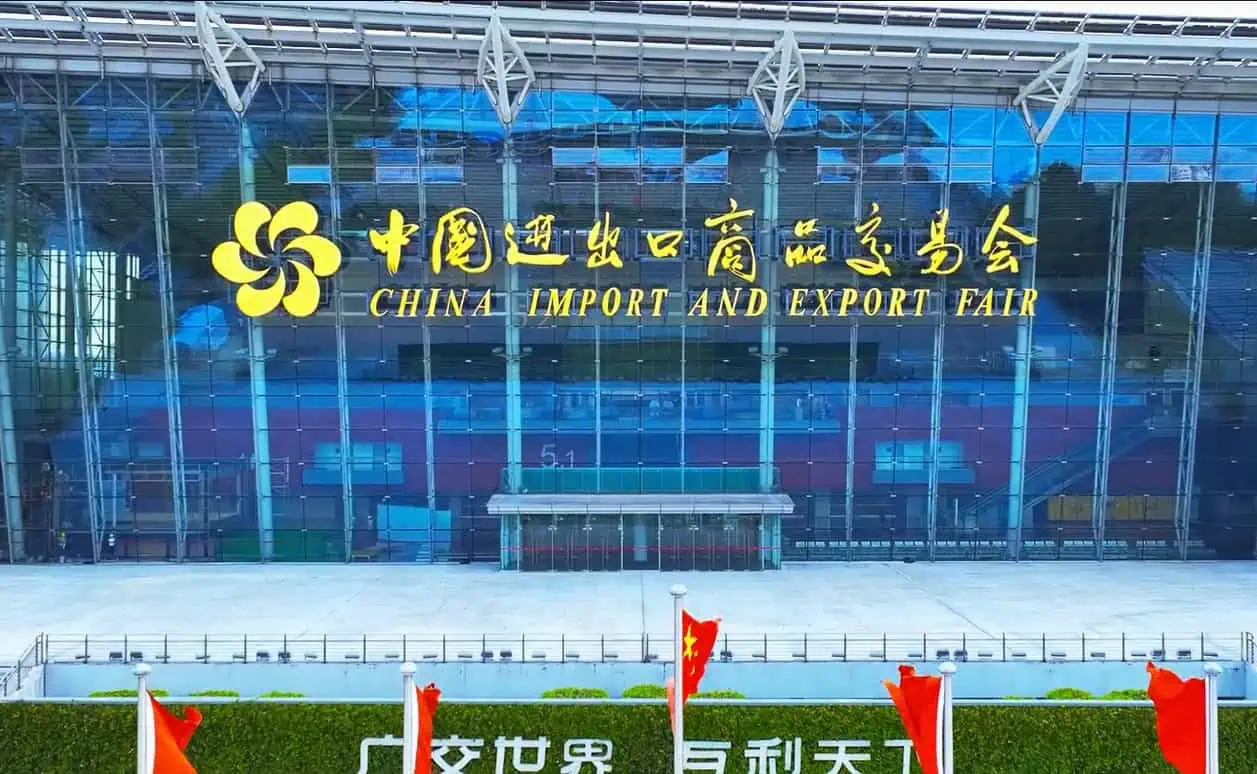
The Canton Fair, officially known as the China Import and Export Fair, is China’s longest-running and largest comprehensive trade exhibition. Held biannually in Guangzhou, it has for decades functioned as a central interface between China’s manufacturing base and international buyers. As global sourcing becomes more fragmented and digitalized, the fair remains a useful reference point for understanding China’s export economy and how its trade system presents itself to the world.
What the Canton Fair Is and Why It Matters
Established in 1957, the Canton Fair emerged when China had limited channels for foreign commercial engagement. Over time, it became one of the most recognizable venues for overseas buyers to meet Chinese suppliers across a wide range of industries. Today, China’s trade ecosystem is far more diverse, shaped by specialized exhibitions, industrial clusters, e-commerce, and cross-border logistics networks. Even so, the fair retains institutional relevance because it sits close to China’s export governance framework and still attracts a global mix of buyers.
Unlike many purely commercial events, the Canton Fair is often read as part of China’s broader trade architecture. Exhibitor selection, official messaging, and category emphasis can offer clues about how China is positioning its manufacturing sector amid external demand shifts, compliance costs, and policy priorities. For international audiences, the value of the fair increasingly lies in context and verification rather than novelty.
How to read the fair: less as a single sourcing venue, more as a concentrated snapshot of how China’s export-facing industries are positioning themselves.
How the Canton Fair Fits Into China’s Trade System
China’s trade system combines state-linked trade institutions with highly competitive private manufacturing and export networks. The Canton Fair reflects this hybrid model. It provides a structured environment for buyer-seller engagement while also signaling continuity: China remains open to trade, but it is also managing risk, emphasizing compliance, and encouraging higher-value production.
In practice, the fair functions as a concentrated snapshot of the China export economy. It brings together manufacturers, traders, and service providers that support cross-border transactions, including logistics, inspection, certification, and payment-related services. The setting makes it easier for buyers to compare suppliers in person and assess capabilities that may be difficult to confirm through online sourcing alone.
Scope, Product Categories, and the Phase Structure
The Canton Fair is typically organized in phases, with each phase covering distinct product categories. While the category mix changes across editions, the fair broadly spans consumer goods, household appliances, electronics, building materials, industrial equipment, and manufacturing-related inputs.
Over recent years, organizers and exhibitors have placed more visible emphasis on products positioned as higher value-added or regulation-ready—such as energy-efficient appliances, smart hardware, and equipment associated with industrial upgrading. Traditional categories remain important, but they increasingly share floor space with manufacturers aiming to differentiate through design, quality control, certification, and integrated supply solutions.
Digital Integration After the Pandemic
Since the pandemic, the Canton Fair has added permanent digital components alongside the physical exhibition. These often include online exhibitor directories, virtual matchmaking tools, and livestreamed product showcases. The point is not to replace the in-person event, but to extend visibility and maintain contact between buyers and suppliers beyond the fair dates.
This hybrid approach also reflects competitive pressure from digital sourcing platforms and B2B marketplaces, which have reshaped buyer expectations around speed and transparency. The Canton Fair’s digital layer serves as an institutional response: it keeps the fair relevant for discovery and screening, while the physical venue remains central for trust building and negotiation.
- Digital tools support discovery and early screening
- In-person meetings remain central for verification and negotiation
- Hybrid visibility helps exhibitors sustain international attention beyond fair dates
What International Buyers and Analysts Watch For
For many international companies, the Canton Fair is no longer a shortcut to “cheap China.” Rising labor costs, compliance requirements, and supply chain diversification have changed the economics. Instead, buyers often use the fair for supplier validation, relationship maintenance, and market sensing—especially in categories where product specs, production consistency, and after-sales support matter as much as unit price.
Participation patterns can also be revealing. In recent editions, buyers from Southeast Asia, the Middle East, Africa, and Latin America have appeared more prominent, reflecting China’s continued diversification of export markets. European and North American engagement remains meaningful, but it is increasingly shaped by risk management, regulatory scrutiny, and sector-specific demand conditions.
For investors and policy-aware professionals, the fair can function as a qualitative indicator. Shifts in exhibitor messaging, product positioning, and category emphasis can help interpret how exporters are responding to cost pressures, trade frictions, and industrial policy signals.
Business Implications
For foreign companies: The Canton Fair can help reduce informational risk in supplier selection. It is most useful for verifying capabilities, comparing options, and building relationships that support long-term sourcing rather than one-off transactions.
For China-focused partners: The fair remains a high-visibility venue to position products, meet buyers, and observe competitive trends. It also reinforces the role of compliance, certification, and product differentiation as exports move toward higher-value segments.
For trade show organizers and exhibitors: The Canton Fair’s continued scale underscores that physical trade shows still matter in cross-border commerce, even when digital tools dominate early-stage discovery.
For investors and analysts: Beyond headline attendance numbers, the fair can be useful for tracking structural shifts—what categories are being promoted, what compliance language is used, and how exporters describe their markets and constraints.
Closing Note
The Canton Fair still matters because it concentrates China’s export-facing industries into a single, legible setting. It is not the only window into China’s manufacturing ecosystem, and it is no longer the default starting point for global sourcing. But as a reference point—especially for understanding how China’s trade shows intersect with its trade system and export economy—it remains difficult to ignore.
FAQ
What is the Canton Fair?
The Canton Fair is China’s largest and longest-running comprehensive trade exhibition, officially titled the China Import and Export Fair.
Where is the Canton Fair held?
It is held in Guangzhou at the China Import and Export Fair Complex.
How often does the Canton Fair take place?
The fair is held twice a year, typically in spring and autumn.
Who organizes the Canton Fair?
The fair is jointly organized by China’s Ministry of Commerce and the Guangdong Provincial Government.
What product categories are covered?
Categories span consumer goods, electronics, machinery, building materials, household products, and a growing range of technology- and energy-related products linked to industrial upgrading.
Is the Canton Fair useful for first-time buyers?
Yes, but its strongest value is verification and relationship building. Many buyers use it to compare suppliers and confirm capabilities rather than to make fast purchasing decisions.
Does the Canton Fair have an online component?
Yes. The fair includes digital tools such as exhibitor listings and online engagement features that extend visibility beyond the in-person event.