


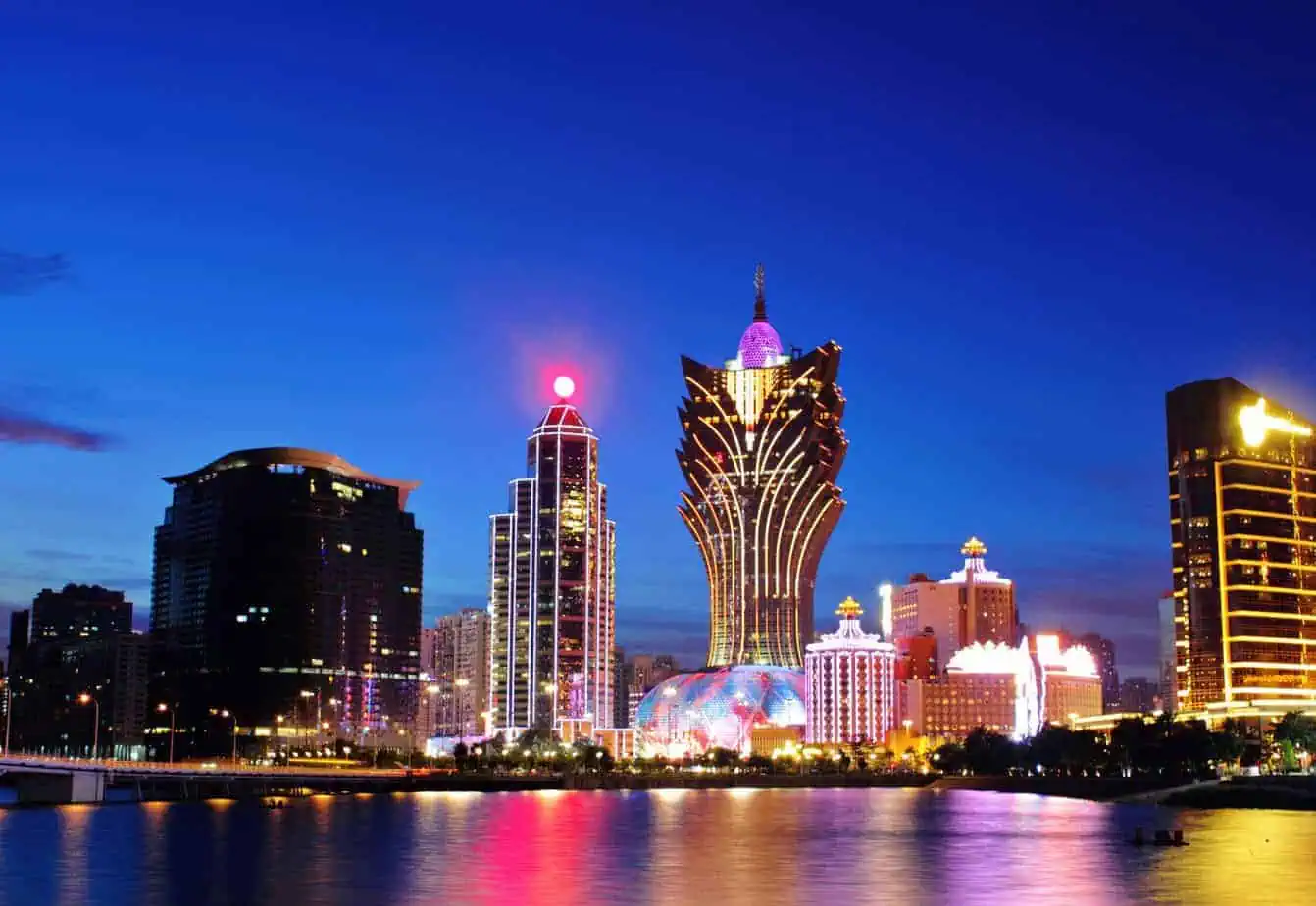
The 2025 Global Intelligent Machinery and Electronics Expo (AIE) is being held in a dual-city format across Macao and Zhuhai, organized by the China Electronics Chamber of Commerce. The event covers an exhibition area of 70,000 square meters with six thematic pavilions, attracting more than 1,000 enterprises from around the world. It serves as a platform for showcasing the latest developments and applications in the intelligent technology sector, reflecting China’s growing influence in global tech markets and innovation hubs.
Intelligent Communication and IoT Innovations
In the Intelligent Communication and Internet of Things Pavilion, vivo introduced its proprietary technology brand Lanlan Technology, which includes solutions in chip, battery life, operating system, large model, and imaging technologies. Lenovo presented updates on its Hybrid AI strategy, featuring AI-powered terminal products such as smartphones, tablets, and PCs, along with intelligent solutions for individual and enterprise users. These displays underscore China’s advancements in AI and IoT integration, supporting the country’s push for technological self-sufficiency and market expansion in smart devices.
Audio-Visual and Metaverse Developments
The Intelligent Audio-Visual and Metaverse Pavilion featured EeasyTime’s 5G Cloud XR digital twin platform and an intelligent content creation agent that integrates AI and VR technology. Voge Optoelectronics unveiled a 32-inch glass-based MiniLED “Bestie Machine” and glass-based direct display substrates, emphasizing innovations in high-zone dimming and transparent interactive design. These exhibits highlight China’s role in driving display technology and metaverse applications, aligning with national policies to boost digital economy growth and cross-border collaborations in regions like Macao and Zhuhai.
Flagship Innovations Across Sectors
Key enterprises in other pavilions showcased flagship innovations, including Epson’s debut of the China-customized LA-A series SCARA industrial robots and metal powder 3D printers. XPeng Motors exhibited the G7 model with a self-developed Turing AI autonomous driving chip, while TCL presented the X11L SQD-Mini LED TV and Thunderbird X3 Pro AR glasses. Xiaomi Auto displayed models such as the YU7, SU7, and SU7 Ultra. These presentations reflect broader trends in China’s industrial robotics, automotive, and consumer electronics sectors, emphasizing local R&D and adaptation to domestic market demands.
The expo’s focus on intelligent machinery and electronics aligns with China’s strategic goals to enhance technological innovation and international trade, particularly through events in special administrative regions like Macao and economic zones like Zhuhai. By bringing together global enterprises, the AIE facilitates knowledge exchange and investment opportunities, contributing to the region’s economic development and China’s position in the global tech landscape.


